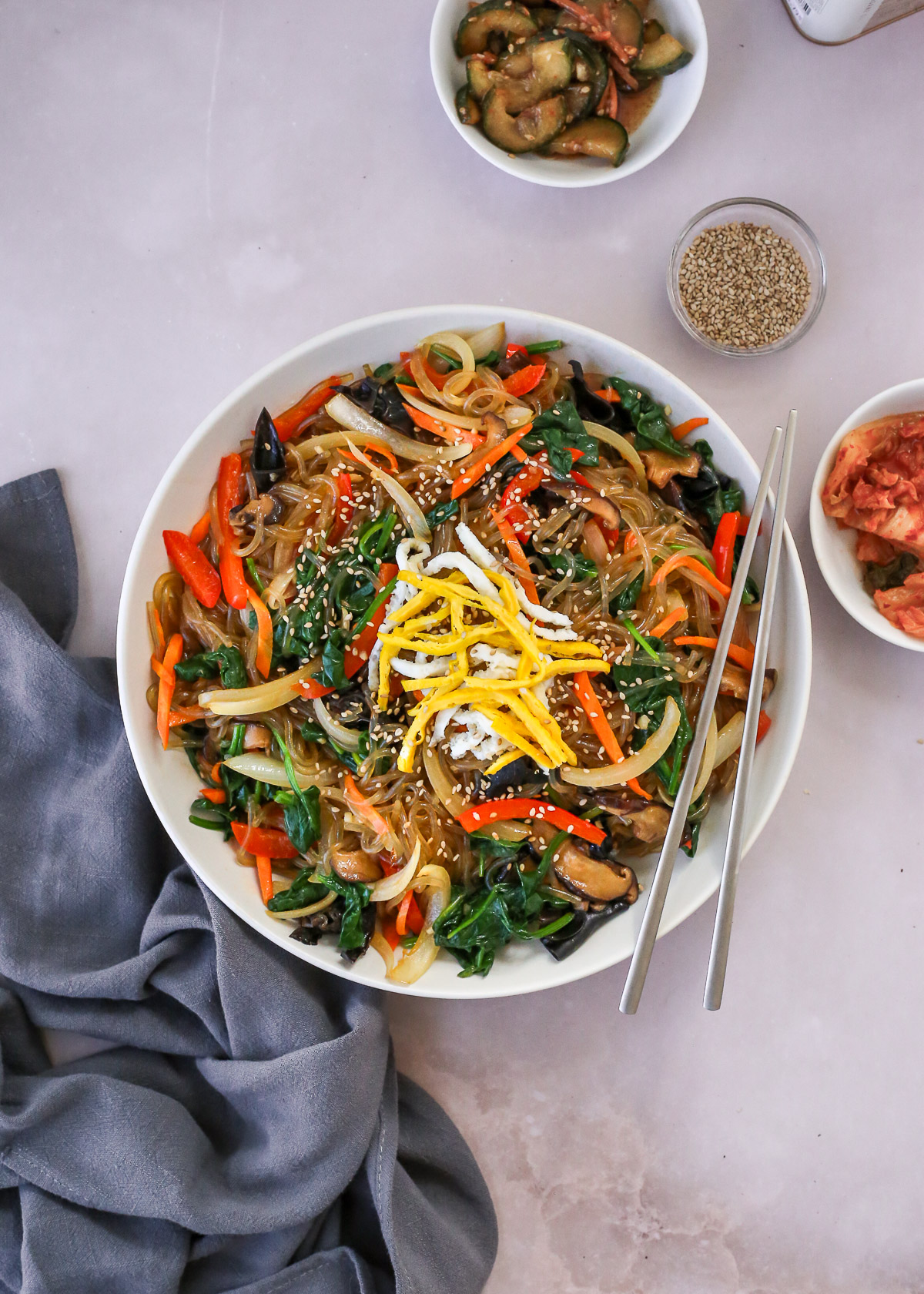
From Royal Courts to Your Table: The Enduring Charm of Authentic Vegetarian Japchae
Imagine a dish so exquisite it graced the tables of 17th-century Korean royalty, yet so versatile and comforting it became a beloved staple for everyday families and grand celebrations alike. That, in essence, is Japchae. This iconic Korean glass noodle stir-fry, renowned for its vibrant colors, delightful textures, and harmonious sweet and savory flavors, has captivated palates for centuries. While traditional versions often feature marinated beef, we're diving into a plant-based marvel: **vegetarian japchae korean glass noodles**. This rendition not only honors the dish's rich heritage but also makes it accessible and enjoyable for everyone seeking a nutritious and incredibly flavorful meal.
This isn't just a recipe; it's an invitation to explore a culinary legacy that's both historically profound and deliciously modern. Whether you're a long-time admirer of Korean cuisine or new to its delights, this plant-powered take on Japchae is poised to become a cherished favorite in your kitchen.
What is Japchae? A Glimpse into Korean Culinary History
The name "Japchae" (잡채) literally translates to "mixed vegetables" – a fitting description for a dish bursting with an array of fresh, colorful ingredients. At its heart lies *dangmyeon* (당면), the distinctive Korean glass noodles made from sweet potato starch. These translucent, chewy noodles are what give Japchae its unique, bouncy texture and make it utterly irresistible.
The journey of Japchae began in the opulent royal court of the Joseon Dynasty in the 17th century. Legend has it that it was first prepared for King Gwanghaegun by Yi Chung, who presented a dish primarily consisting of stir-fried vegetables and mushrooms. The king was so delighted that he proclaimed Yi Chung a minister, highlighting the dish's initial prestige and sophisticated appeal. Over time, as ingredients became more accessible and culinary techniques spread, dangmyeon noodles were incorporated, and Japchae transitioned from an exclusive royal delicacy to a cherished dish enjoyed by the common people.
Today, Japchae is one of Korea’s most well-known culinary exports, standing proudly alongside global favorites like kimchi and bulgogi. You'll find it gracing menus in Korean restaurants worldwide and adorning tables during significant celebrations such as Lunar New Year, weddings, and birthdays. Yet, despite its celebratory status, the beauty of Japchae lies in its adaptability, making it a perfect candidate for an everyday, healthy, and satisfying meal.
The Star Ingredients: Crafting Your Authentic Vegetarian Japchae
Creating an authentic **vegetarian japchae korean glass noodles** dish relies on a few key components that come together to form a symphony of flavors and textures. The magic is in the balance and the quality of each element.
Dangmyeon: The Translucent Heart of Japchae
The cornerstone of any Japchae is *dangmyeon*. These noodles are distinctively chewy, incredibly elastic, and gain a beautiful translucence when cooked, earning them the moniker "glass noodles." Made solely from sweet potato starch, they are naturally gluten-free, making them an excellent choice for those with dietary restrictions. Their unique ability to absorb the rich sauce without becoming mushy is crucial to the dish's success. When perfectly prepared, they offer a delightful bounce that complements the crispness of the vegetables.
A Rainbow of Colorful Vegetables
True to its name, "mixed vegetables," Japchae is a celebration of seasonal produce. The typical lineup includes:
- Carrots: Sliced thinly for sweetness and vibrant orange color.
- Onion: Adds a foundational savory depth.
- Red Bell Peppers: Brings a sweet crunch and another pop of color.
- Baby Spinach: Wilts beautifully, adding a fresh, earthy green hue.
- Shiitake Mushrooms: Offer an umami richness and meaty texture.
- Wood Ear Mushrooms: (Optional, but traditional) Provide an interesting chewy, slightly crunchy texture.
The beauty here is customization. Feel free to incorporate other favorites like zucchini, snap peas, or even broccoli florets. The key is to slice them uniformly for even cooking and a beautiful presentation.
The Sweet and Savory Sauce
The sauce is the soul of Japchae, binding all the elements together with its irresistible sweet and savory profile. A classic Japchae sauce typically features:
- Soy Sauce: The primary source of umami and saltiness. Opt for a good quality Korean soy sauce for authentic flavor.
- Sesame Oil: Toasted sesame oil is non-negotiable, providing a deeply nutty and aromatic finish.
- Sugar (or other sweetener): Balances the saltiness and adds a touch of sweetness that is characteristic of Japchae.
- Garlic: Freshly minced garlic infuses the sauce with pungent depth.
- Black Pepper: A touch to round out the flavors.
This carefully balanced concoction coats every strand of noodle and every piece of vegetable, ensuring a burst of flavor in every bite.
Adding Substance: Eggs and Plant-Based Proteins
While strictly plant-based, many vegetarian Japchae recipes include thin ribbons of pan-fried egg (jidan) for added richness and protein, maintaining the dish's satisfying nature without meat. If you're aiming for a fully vegan dish, simply omit the eggs or replace them with seasoned, pan-fried firm tofu strips or crumbled tempeh for a similar textural and protein boost. These additions ensure that your Japchae is not just a side dish but a fulfilling meal in itself.
Mastering the Art of Vegetarian Japchae: Tips for Success
Making Japchae at home might seem daunting at first, but with a few insider tips, you'll find it surprisingly easy and immensely rewarding.
Noodle Preparation: Soak, Don't Boil
One common mistake is overcooking the dangmyeon noodles. While some recipes suggest boiling, a fantastic method, popularized by culinary figures like Maangchi, involves *soaking* the noodles in cold water for about 30-40 minutes instead. This rehydrates them gently, resulting in a perfectly chewy, al dente texture that doesn't clump or become overly soft. After soaking, they only need a quick stir-fry to warm through and absorb the sauce.
Prep Your Veggies Separately
To achieve that ideal balance of textures, it's crucial to prepare each vegetable separately. This ensures that each ingredient is cooked to its perfect crisp-tender point and retains its vibrant color.
- Slice and Dice: Uniformity is key. Thinly slice all vegetables so they cook quickly and evenly.
- Stir-fry Individually: Lightly stir-fry each type of vegetable in a hot pan with a touch of oil and a pinch of salt. This brings out their individual flavors and maintains their distinct textures before they are all combined.
- Cool Slightly: Allow the cooked vegetables to cool slightly before tossing with the noodles and sauce; this prevents them from wilting excessively.
For an even quicker version that doesn't compromise on taste, explore our guide to
Easy Vegetarian Japchae: Your Guide to Delicious Korean Glass Noodles, which often includes clever shortcuts for busy cooks.
The Art of Tossing
Once all components are ready – the tender noodles, the crisp-tender vegetables, and the luscious sauce – the magic happens in the final toss.
- Combine the warm noodles, stir-fried vegetables, and your prepared sauce in a large bowl.
- Using your hands (wearing gloves is recommended for hygiene and to protect your skin from the heat), gently but thoroughly mix everything together. This ensures every strand of noodle and every piece of vegetable is evenly coated with the rich sauce.
- Taste and adjust seasoning as needed, adding more soy sauce or sugar if desired.
Why Choose Vegetarian Japchae? Beyond the Plate
Beyond its delicious taste and rich history, choosing to make **vegetarian japchae korean glass noodles** offers several compelling benefits:
- Health-Conscious: Packed with nutrient-dense vegetables, this dish is naturally rich in vitamins, minerals, and fiber. The sweet potato noodles offer complex carbohydrates, making it a satisfying and energy-boosting meal.
- Dietary Inclusivity: It's a fantastic option for vegetarians and can be easily adapted for vegans by omitting the eggs. It's also naturally gluten-free thanks to the sweet potato starch noodles.
- Meal Prep Dream: Japchae holds up beautifully in the refrigerator for several days, making it an ideal choice for healthy meal prepping. Its flavors often deepen overnight, making for a delicious lunch or quick dinner.
- Versatility: While perfect as a standalone meal, Japchae also makes an excellent side dish for other Korean favorites or even Western entrées.
If you're eager to get started with a detailed ingredient list and step-by-step instructions, our
Vegetarian Japchae: Sweet Potato Noodles & Colorful Veggies Recipe is your perfect companion.
Conclusion
From the elegant dining halls of Joseon Dynasty royalty to the bustling tables of modern homes, Japchae has truly stood the test of time. This vegetarian rendition of the classic Korean glass noodle dish not only honors its rich culinary heritage but also brings a fresh, vibrant, and accessible option to your kitchen. With its irresistible chewy noodles, colorful medley of vegetables, and perfectly balanced sweet and savory sauce, **vegetarian japchae korean glass noodles** offers a delightful culinary adventure that’s both deeply satisfying and incredibly healthy. So, roll up your sleeves, embrace the vibrant flavors of Korea, and prepare to fall in love with this timeless dish that’s perfect for any occasion, year-round.